July 10, 2024
Timely interventions and support can be life-changing for children with Autism Spectrum Disorder (ASD) and their families, but are often inaccessible in rural communities.
February 21, 2024
CommHIT, a nonprofit based at the Kennedy Space Center, has worked at the intersection of rural health and technology for over a decade. Now, as an awardee of the Federal Office of Rural Health Policy (FORHP) Rural Public Health Workforce Training Network (RPHWTN) grant program, the organization is assisting Florida partners with workforce development initiatives and technology-related training programs.
November 29, 2023
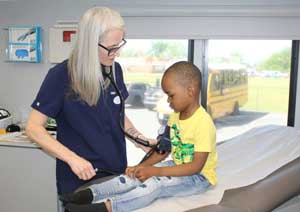
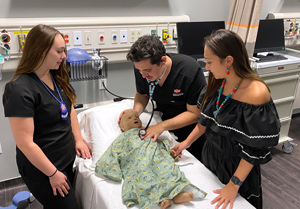
Old Dominion University's new mobile clinic is bridging care gaps in underserved communities while providing clinical opportunities to nursing students.
August 23, 2023
The FORHP Rural Public Health Workforce Training Network works to expand public health capacity in rural and tribal areas through job development, training, and placement. Three grantees — a career ladder program in Missouri, a respiratory therapy program in Texas, and a health IT program in Virginia — share stories of changing individuals' lives as well as keeping local talent in their healthcare facilities and communities.
July 12, 2023
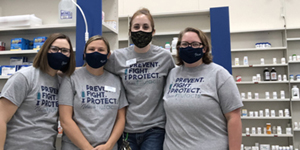
Rural community pharmacies are often vital sources for prescriptions, vaccinations, patient education, and other healthcare needs, but the RUPRI Center for Rural Health Policy Analysis reported a decrease in the number of rural pharmacies from 2003 to 2021. A pharmacy chain in the Midwest, a pharmacy-based research network in the South, and an Illinois school of pharmacy discuss the rewards and challenges of operating in rural areas.
June 28, 2023
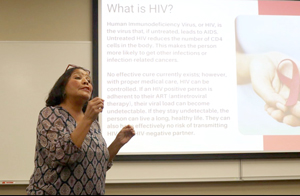
New HIV infections are on the decline in the U.S. — but in some rural areas, lingering stigma and misunderstanding still stand as barriers to the prevention and treatment of the virus.
June 7, 2023
While rural healthcare faces many challenges, it also possesses strengths and potential, such as its leadership. The NRHA's Rural Health CEO Certification Program and Rural Health Fellows works to strengthen current leaders' skills, while the University of Iowa's and the University of South Carolina's Master of Health Administration programs, NRHA's Student Constituency Group, and the Oregon Rural Practice-based Research Network help shape future leaders.
May 24, 2023
Pivoting from a universal question, "How'd you sleep?" clinical sleep experts, a federal public health agency representative, and Nebraska Extension discussed sleep's impact on rural health and public safety.
March 22, 2023
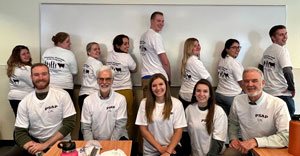
Since 1974, the Physician Shortage Area Program has recruited and supported medical students from rural backgrounds who want to practice in rural communities.
January 11, 2023
Oklahoma State University's College of Osteopathic Medicine at the Cherokee Nation prepares future doctors to work in rural and tribal settings where healthcare workers are in short supply.